Trust is the first design decision.
Before we get to the content, we get to the relationship. That's not soft. That's neuroscience.
About
You're leading educators through one of the hardest jobs, on a shrinking budget, with kids who need more than school was ever designed to give them. Here's why I built DKS to help.
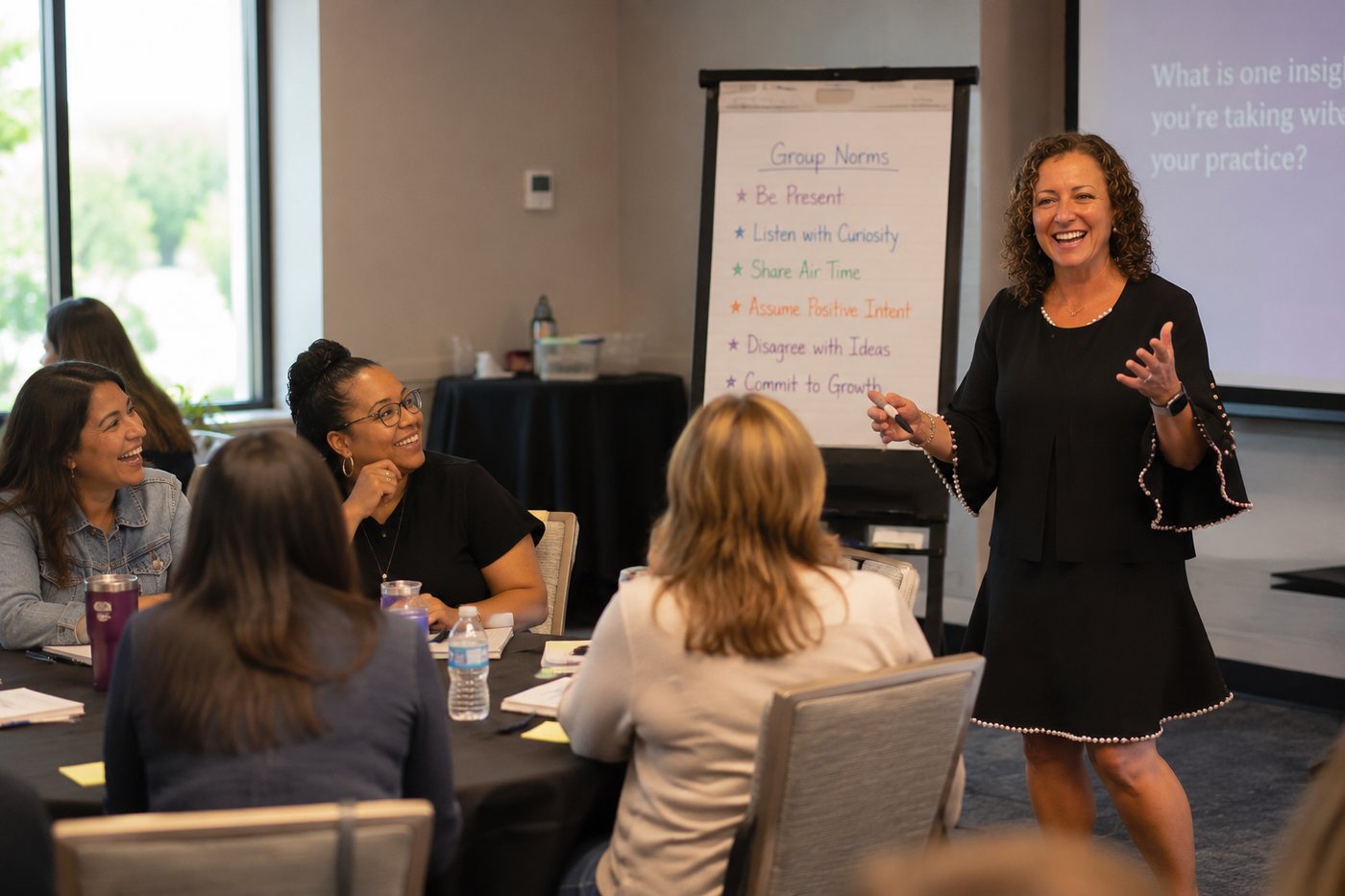
Kylene Beers, 2002. Three days.
I'd been teaching high schoolers for five years by then, and I had students in my classroom reading at an elementary grade level. I had no idea how to help them. I'd sat through more professional development than I could count. Most of it was fine. Some of it was terrible. Almost none of it gave me something I could walk back into my classroom and use with those kids.
Kylene did.
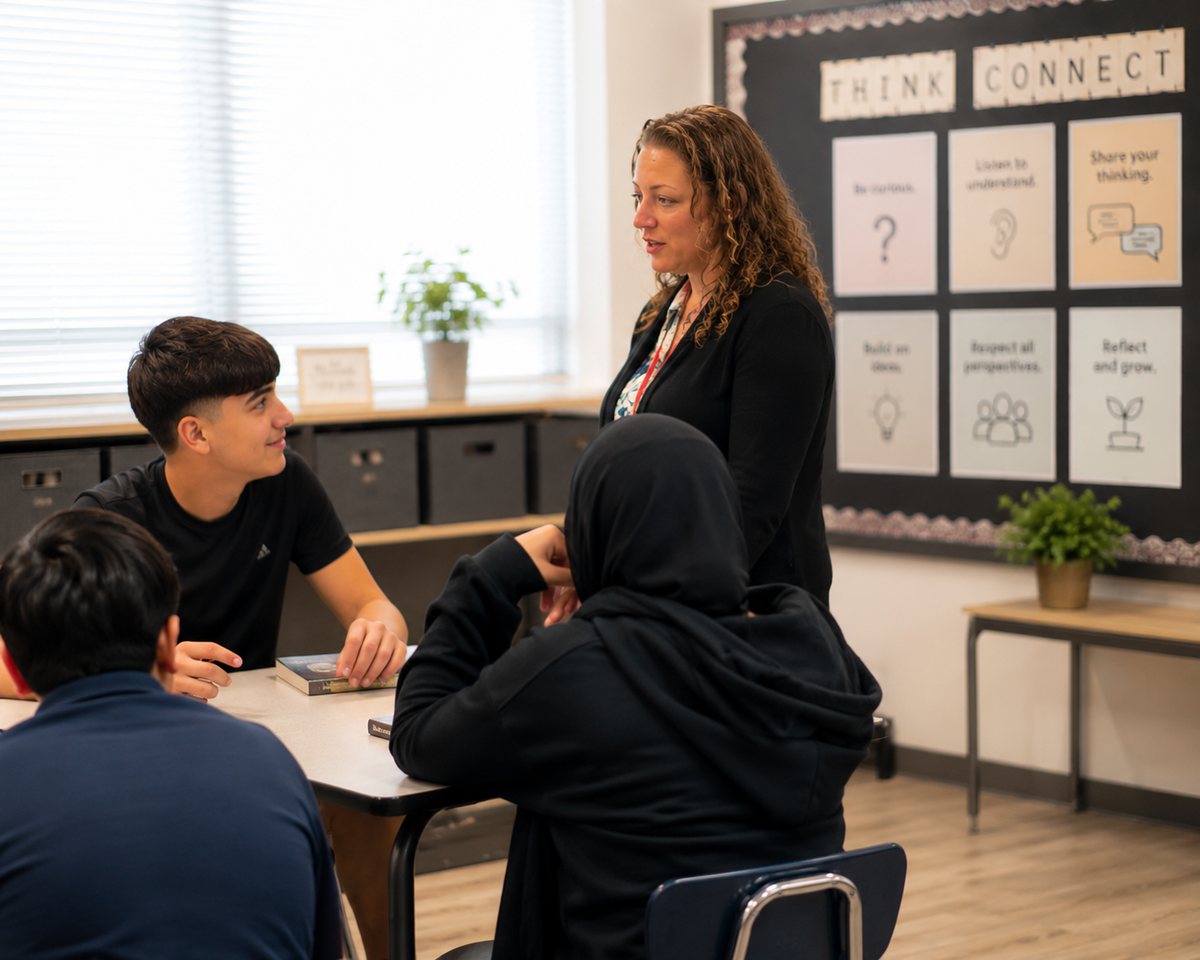
She was teaching us how to help older students who were struggling readers without shaming or babying them. And she taught it the way she was asking us to teach it. Every strategy she wanted us to bring back to our kids, she used on us first. We felt what it was like to be inside a shame-free learning environment. We felt what it was like when someone believed you could do it before you did. We felt what it took to change a struggling reader's self-narrative from "I'm dumb" to "I have a strategy."
I walked out of those three days with something no PD had given me before: I knew what to do on Monday and why it would work.
Then Kylene gave me two hours of one-on-one coaching. And that was the moment I understood the second thing that mattered as much as the design: what it feels like to be seen and helped by someone who knows what she's doing.
I've spent every year since chasing both of those experiences. First as a teacher, then as a lead teacher, then as a Professional Learning Specialist at an educational agency for twelve years, then as a school administrator, and now full-time as the founder of DKS.
That workshop is the reason I'm here. And every teacher who walks out of a session feeling like Kylene made me feel has a leader who chose to make that possible.
Here's what I learned in the twenty-plus years since that Beers workshop:
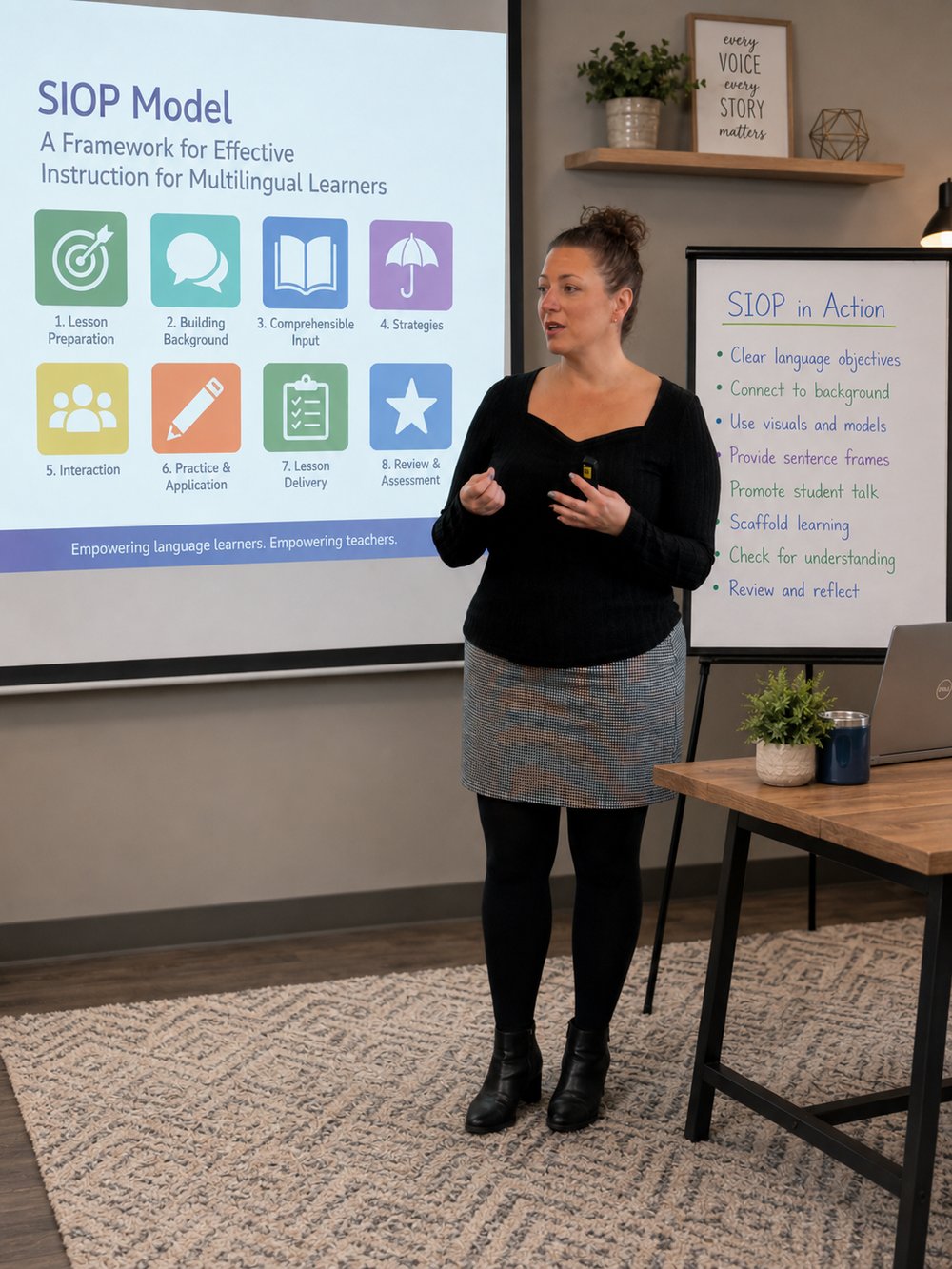
Professional learning fails for two reasons, and they're the same reason.
The first is trust. Educators walk into most PD skeptical, and they're right to be. They've been burned before. If they don't trust the person at the front of the room, they don't try the practice, no matter how good the practice is.
The second is design. Even when educators do trust the facilitator, most PD isn't built for how adults actually learn. It's built for how adults tolerate being talked at. Sit-and-get sessions get evaluated politely on the exit survey and forgotten by Wednesday.
Both of those failures come from the same missing piece: brain science.
Trust is brain science. The way we build psychological safety, the way we lower defensiveness, the way we activate the parts of the brain that let learning stick: all of it comes from what neuroscience has taught us about how humans actually work.
Design is brain science. The way we structure practice, the way we sequence learning, the way we build in productive struggle, the way we teach adults to shift habits: all of it rests on the same science we should have been teaching in preservice programs but weren't.
Here's what's confounding: as the people responsible for learning, we spend almost no time consciously integrating brain science into how we teach. Not with kids, not with adults. Our preservice programs didn't teach us, and the PD our leaders received didn't teach them, so why would they think to add it? But when we do add it, it changes everything. It affirms the practices that were already working and shows us why. It gives us the tools to fix the practices that weren't. And it lets us stop guessing.
When we know better and experience better, we do better. That's the whole thesis.
Every engagement I design starts from the same three principles.
Before we get to the content, we get to the relationship. That's not soft. That's neuroscience.
I use brain science to design workshops on whatever you actually need.
Every engagement is designed for transfer. Follow-through is built in, not tacked on.
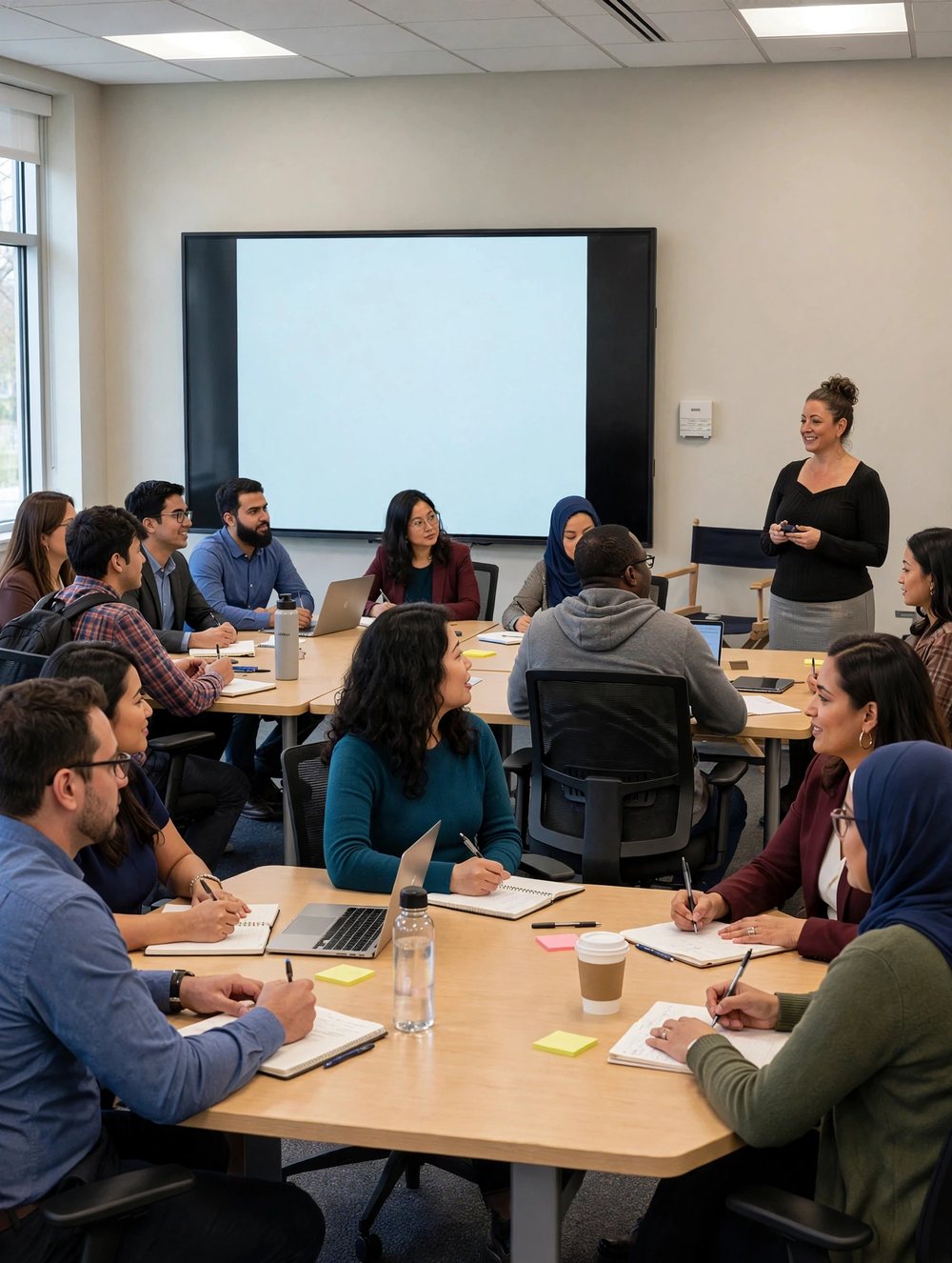
I've been in K-12 for 30 years. I was a teacher, a lead teacher, and a Professional Learning Specialist at an educational agency for twelve years, where I designed and delivered PD across more than 30 districts. Most recently, I was a school administrator. Now I do this work full time, because having a greater impact on more schools and more educators is what this whole thing has always been about.
I'm a Cognitive Coaching agency trainer, a Science of Reading trainer and coach, an IIRP Certified Trainer in Restorative Practices, and a Coach Builder certified consultant.
I served as president of the Connecticut Council of Teachers of English and now serve on the board of the New England Association of Teachers of English.
When I'm not working, I'm probably reading, going for a weighted walk, or catching up with former students, some of whom went on to become my student teachers. Educators tend to stay in my life. I like it that way.
If any of this resonates, or if you've been sitting on a PD problem that hasn't gotten better on its own, let's have a conversation.
The first one is on me.